When it comes to securing your home or garden in Saltash and Plymouth, fencing isn’t just about aesthetics—it’s a vital line of defence against the elements and intruders alike. Living near the coast brings unique challenges, and understanding how sea salt, wind, and moisture affect your fence can make all the difference in ensuring it stands strong for years to come.
Understanding Coastal Fencing Challenges
Fencing in coastal areas like Saltash and Plymouth faces more wear and tear than inland properties. Sea salt in the air can accelerate corrosion in metal fences, while wooden fences can suffer from rot and warping due to persistent damp. High winds near the Tamar River or around landmarks such as the iconic Saltash Railway Bridge can loosen panels or damage posts.
Transitioning from traditional garden fencing to solutions designed for coastal conditions is not just wise—it’s necessary. Homeowners in areas like St Nicholas & St Faith Church surroundings often notice that fences exposed to direct sea breezes need more frequent maintenance.
Choosing The Right Materials For Coastal Fencing
Selecting the correct materials is key. Here’s what works best along the Cornish and Devon coastlines:
- Treated Timber: Pressure-treated wood or naturally rot-resistant options like cedar can withstand moisture better. Regular staining or sealing further extends its lifespan.
- Metal Fencing: Galvanised steel or powder-coated aluminium is more resistant to rust than untreated iron. Avoid plain steel as sea salt accelerates corrosion dramatically.
- Vinyl and Composite Fencing: These low-maintenance options are perfect for coastal homes. They don’t absorb moisture, resist fading, and can endure gusty winds.
By picking materials designed to handle salt-laden air, your fencing investment will last far longer, even in the exposed areas near Saltash Passage or Longstone Park.
Installation Tips For Coastal Properties
Proper installation matters just as much as material choice. Posts should be set deep into the ground with concrete for extra stability against strong gusts. Adding protective caps to wooden posts prevents water from seeping in, reducing the risk of rot.
If you live near the waterfront or on elevated land, consider windbreak fencing or reinforced panels to prevent damage from seasonal storms. Local contractors in Plymouth and Saltash are familiar with these conditions and can offer solutions tailored to your property.
Maintenance Strategies To Keep Your Fence Strong
Even the sturdiest fencing requires care. Coastal properties benefit from:
- Regular washing: Rinse metal and vinyl fences to remove salt deposits, ideally every few months.
- Sealing and painting: Wooden fences should be sealed annually and inspected for cracks or rot.
- Checking hardware: Hinges, screws, and brackets on gates are prone to rust; replace or lubricate them as needed.
Active upkeep not only prolongs the life of your fence but also keeps your garden looking tidy and welcoming.
Local Fencing Inspiration In Saltash & Plymouth
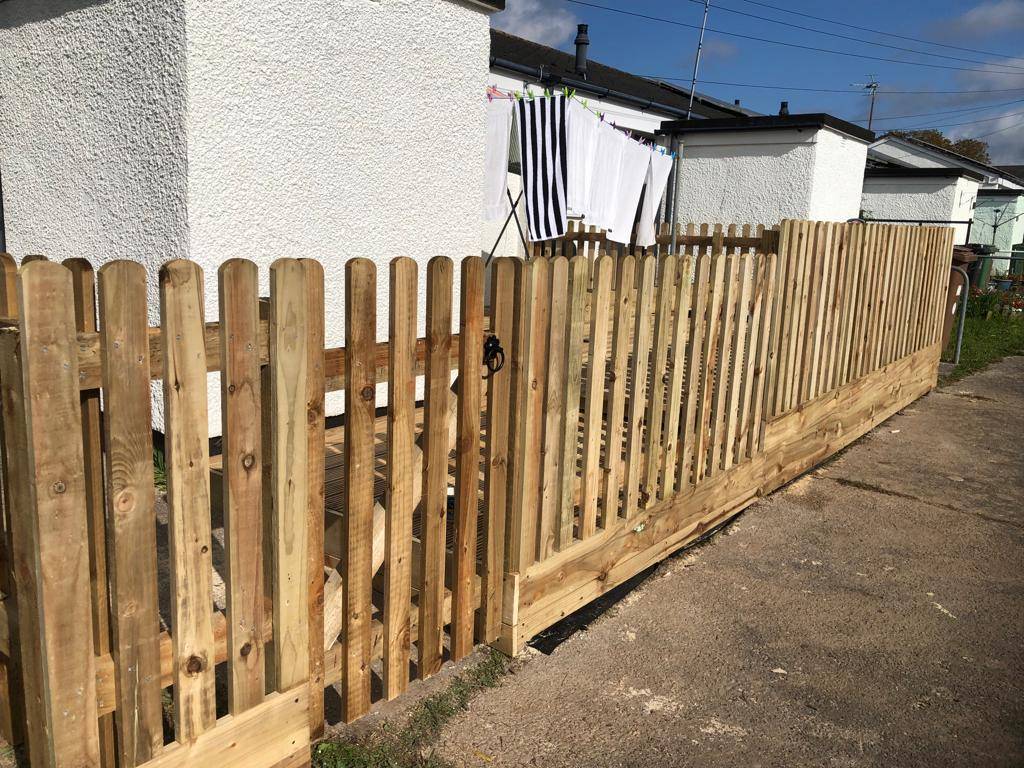
For homeowners seeking ideas, the Saltash waterfront, along the Saltash Passage, and surrounding parks showcase a variety of fencing styles that blend durability with charm. From classic picket fences framing riverside homes to contemporary composite panels protecting modern gardens near The Tamar Bridge, there’s plenty of inspiration for your own property.
Protect Your Coastal Home Today
Fencing in Saltash and Plymouth isn’t just a boundary—it’s a shield against the unique coastal challenges of the South West. By choosing resilient materials, installing correctly, and maintaining diligently, you ensure your fence remains both functional and beautiful for years. Don’t wait for rot, rust, or storm damage—invest in fencing that can withstand the coast’s salty air and lively winds.
Contact Crownhill Fencing today for a free quote!